Rates
Virtual Cards: The Future of Secure Online Transactions
Introduction
As digital transactions become increasingly prevalent, the need for secure payment methods has never been greater. Virtual cards have emerged as a revolutionary solution, offering enhanced security and convenience for online shoppers and businesses alike. In this blog post, we’ll delve into what virtual cards are, how they work, and why they are poised to become the future of online transactions.
What Are Virtual Cards?
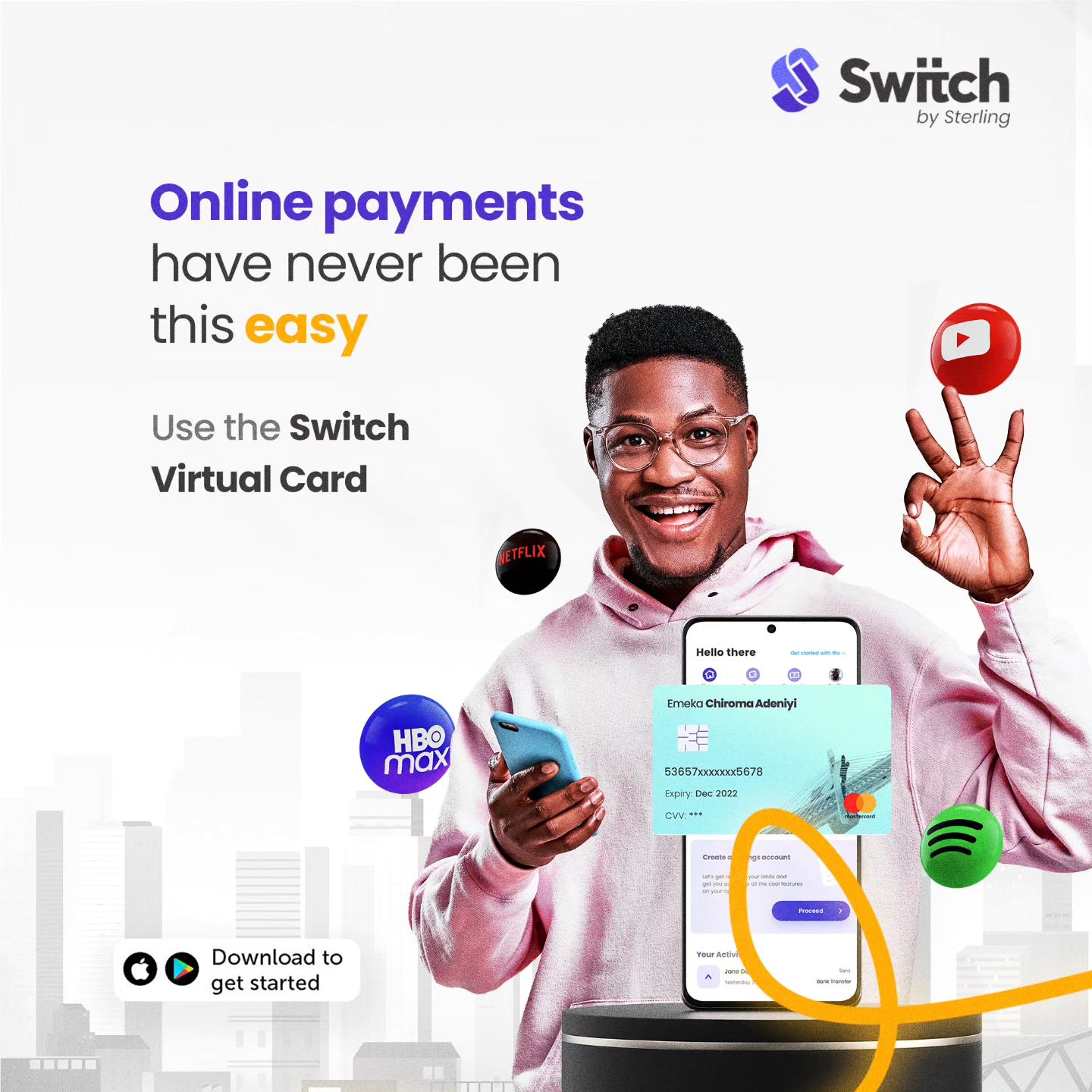
Virtual cards are digital versions of traditional credit or debit cards. They are designed specifically for online purchases and can be used in the same way as physical cards. Each virtual card is linked to a user’s main bank account but has a unique card number, expiration date, and CVV code.
How Do Virtual Cards Work?
When a user creates a virtual card, the card issuer generates a unique set of card details. These details can be used for a single transaction or multiple transactions, depending on the user’s preference. Once the purchase is complete, the virtual card details can be deactivated, rendering them useless to potential fraudsters.
Enhanced Security Features
- Temporary Card Details: The temporary nature of virtual card details significantly reduces the risk of fraud. Even if a hacker manages to obtain the card information, it becomes useless after the transaction is completed.
- Spending Limits: Users can set spending limits on virtual cards, ensuring that even if the card is compromised, the potential financial loss is minimized.
- Transaction Controls: Virtual cards can be customized to allow only certain types of transactions or merchants, adding an extra layer of security.
Convenience and Flexibility
- Easy to Generate: Most banks and financial institutions offer the ability to generate virtual cards instantly through their online banking platforms or mobile apps.
- No Physical Card Needed: Since virtual cards are entirely digital, there’s no need to wait for a physical card to arrive in the mail. This makes them ideal for immediate purchases.
- Global Acceptance: Virtual cards are accepted by most online merchants worldwide, making them a versatile payment option for international transactions.
Benefits for Businesses
- Expense Management: Businesses can issue virtual cards to employees for specific purchases, making it easier to track and manage expenses.
- Improved Fraud Prevention: By using virtual cards for online transactions, businesses can reduce the risk of fraud and unauthorized charges.
- Streamlined Operations: Virtual cards can be generated and managed easily, simplifying the payment process for businesses of all sizes.
Conclusion
Virtual cards offer a secure, convenient, and flexible solution for online transactions. With their enhanced security features and ease of use, they are poised to become an essential tool for both consumers and businesses. As the digital economy continues to grow, embracing virtual cards can provide peace of mind and a seamless shopping experience in an increasingly interconnected world.
Related Post

Rates
Bank Accounts Designed for Nigerians Living Abroad
Whether you’re trying to send money home or invest in a business in Naija, here are some bank accounts you can open and operate from abroad.
9 months ago

Rates
Money Transfer Mistakes to Avoid When Sending Money Abroad
From overlooking hidden fees to entering incorrect banking details, the smallest errors made in an international transfer can make you lose your money. To help you avoid costly errors, here are some of the most common mistakes to avoid when sending money to another country.
9 months ago

Rates
What is a Domiciliary Bank Account? And How Does it Work
Whether you are a freelancer dealing with international clients or someone planning to study or relocate overseas. This article explains what exactly a Domiciliary account is, the requirements to open one, and lastly, receiving and sending money across borders.
9 months ago